


A Draft Environmental Impact Report was submitted to the Massachusetts Executive Office of Energy and Environmental Affairs by 173 Alford Street, LLC, which is owned by Kraft Family Inc., per Massachusetts Corporation documents.
The report gives insight into what the proposed stadium could look like and the potential problems that arise. There are 599 pages, but here is what you need to know.
Brian Billelo spoke to The Boston Globe in July and indicated that the goal was to build a 25,000-seat stadium for soccer games with the potential to expand to 35,000 seats for other programming such as concerts.
According to the report, that remains the plan.
"The Project will create a world-class, 25,000-seat Major League Soccer stadium, which will accommodate up to 35,000 seats for larger events, such as concerts," the report said. "The facility includes the primary seating bowl, concourses, hospitality spaces, premium clubs, suites, terraces, pedestrian ramps, operational service areas, and event-support infrastructure. In addition to the Stadium, the Project will include a new and vibrant publicly accessible waterfront park with programming along the Mystic River."
The Globe article also noted that the stadium was slated to open at some point in 2030. The report indicates that is aiming for an "early 2030" opening.
With a 25,000-seat capacity, the stadium would be comparable to Sports Illustrated Stadium. There are currently 16 MLS stadiums with capacities of 25,000 seats or less.
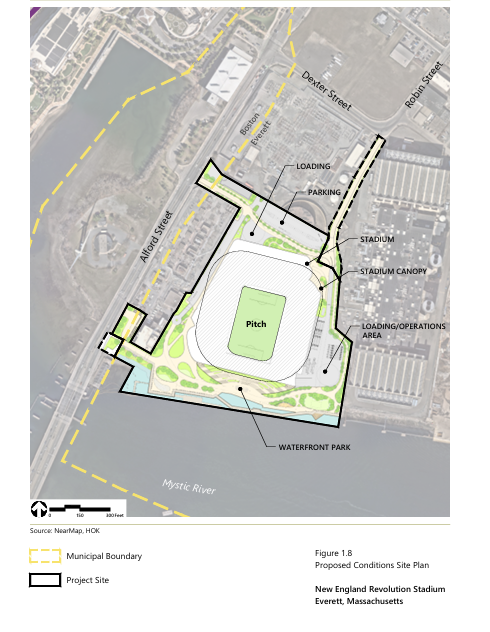
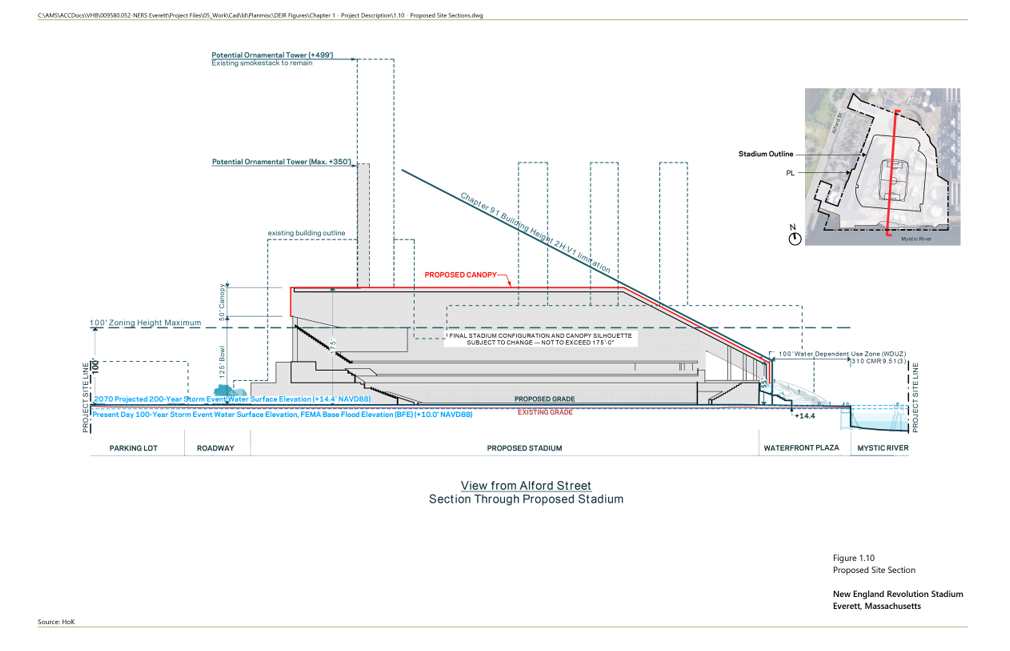
The stadium could also feature a unique design element. According to the report, one of the existing smokestacks could be used as an ornamental tower. There is also mention of a stadium canopy.
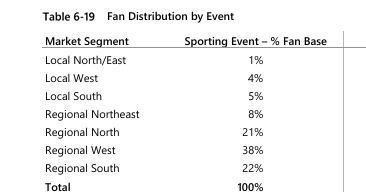
Additionally, the report expects to see a change in the fanbase. Interestingly, the estimates still account for a majority of the fans coming from the West.

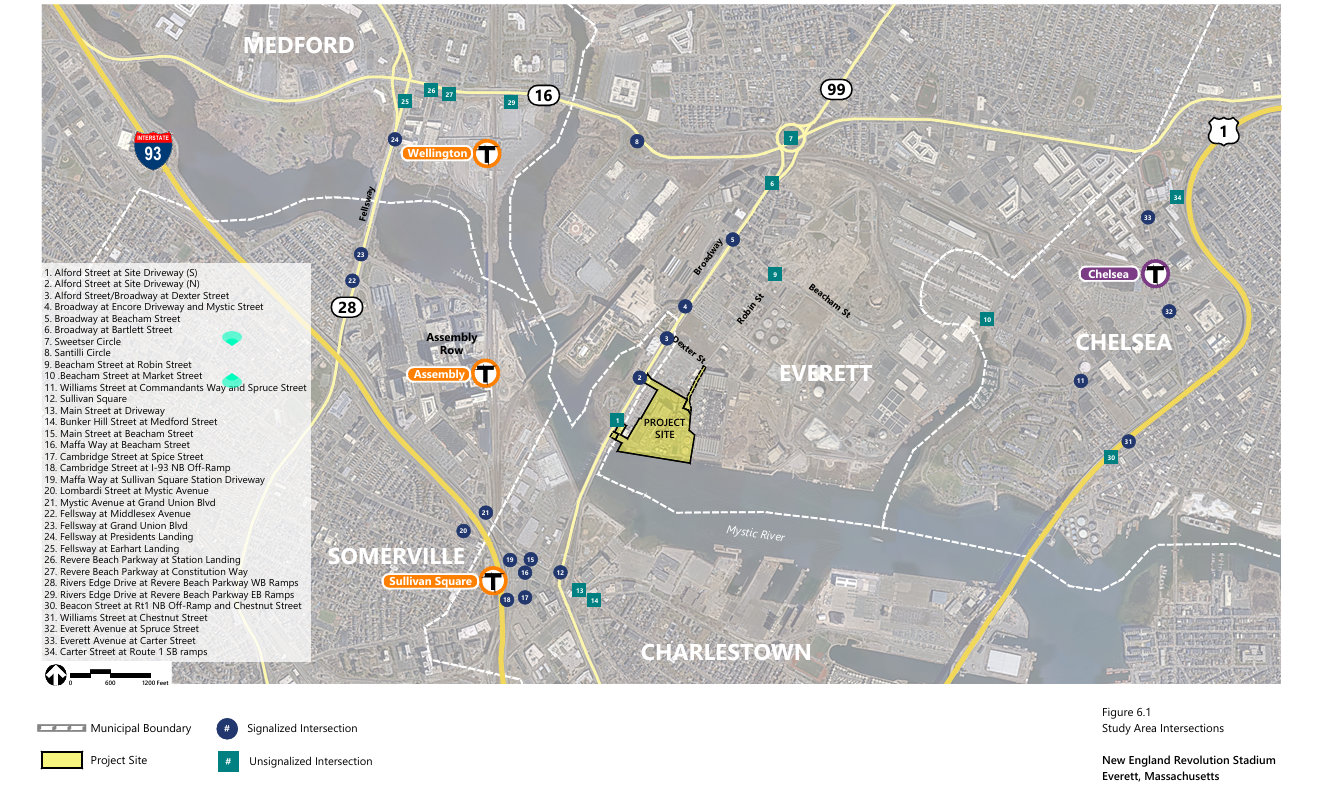
But the main thing that fans will be interested in is how they can get to the stadium.
On-site parking will be limited to approximately 150 parking spaces. The project will provide up to 150 on-site parking spaces, distributed between a parking lot
located north of the stadium and spaces located along the westerly driveway, according to the report.
Off-site parking will also be provided at multiple locations within the surrounding area. These facilities may include existing commercial parking garages and surface lots, remote stadium-designated parking areas, and shared-use parking arrangements with nearby property owners, subject to ongoing coordination and agreements.
Also, the proponents of the project are working with the MBTA to evaluate available parking capacity at its facilities that could serve either as intercept parking locations or remote parking locations. Potential locations include Wellington Station, where a dedicated shuttle service is planned to connect patrons from the station to a location closer to the stadium.
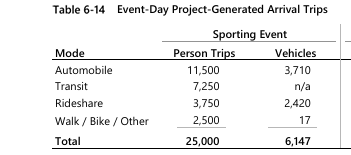
The MBTA has confirmed that a range of 300–500 event parking spaces at Wellington Station may be assumed as being available for event use according to the report. In total, it is estimated that 3,709 vehicles will park for a sold-out match.
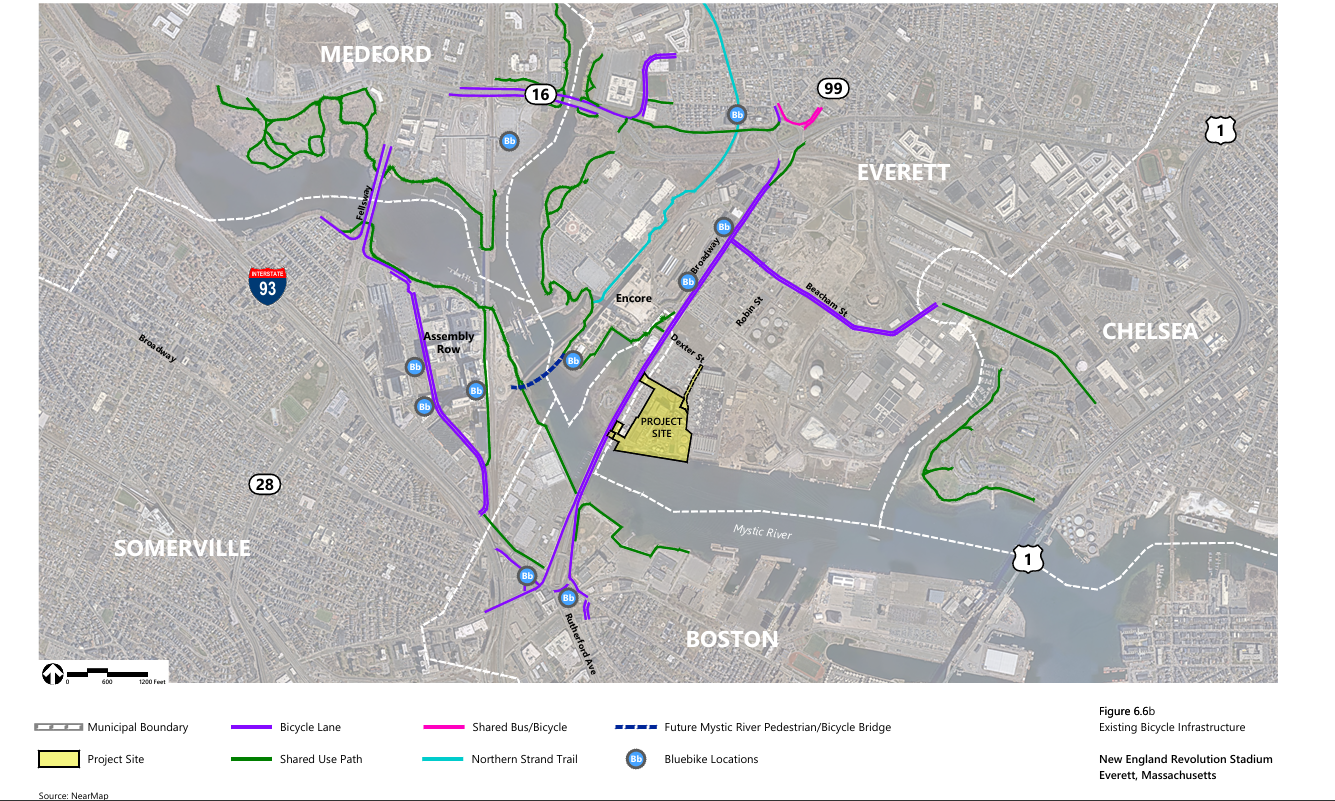
Along with vehicle parking, the project will also provide bike parking options. The report states that 150 to 200 on-site bicycle parking spaces will be available. The primary bicycle parking area is anticipated to be located near the southern stadium entrance. This location is expected to accommodate a combination of traditional bicycle parking facilities and Bluebikes stations. The report also mentions a bike valet program.
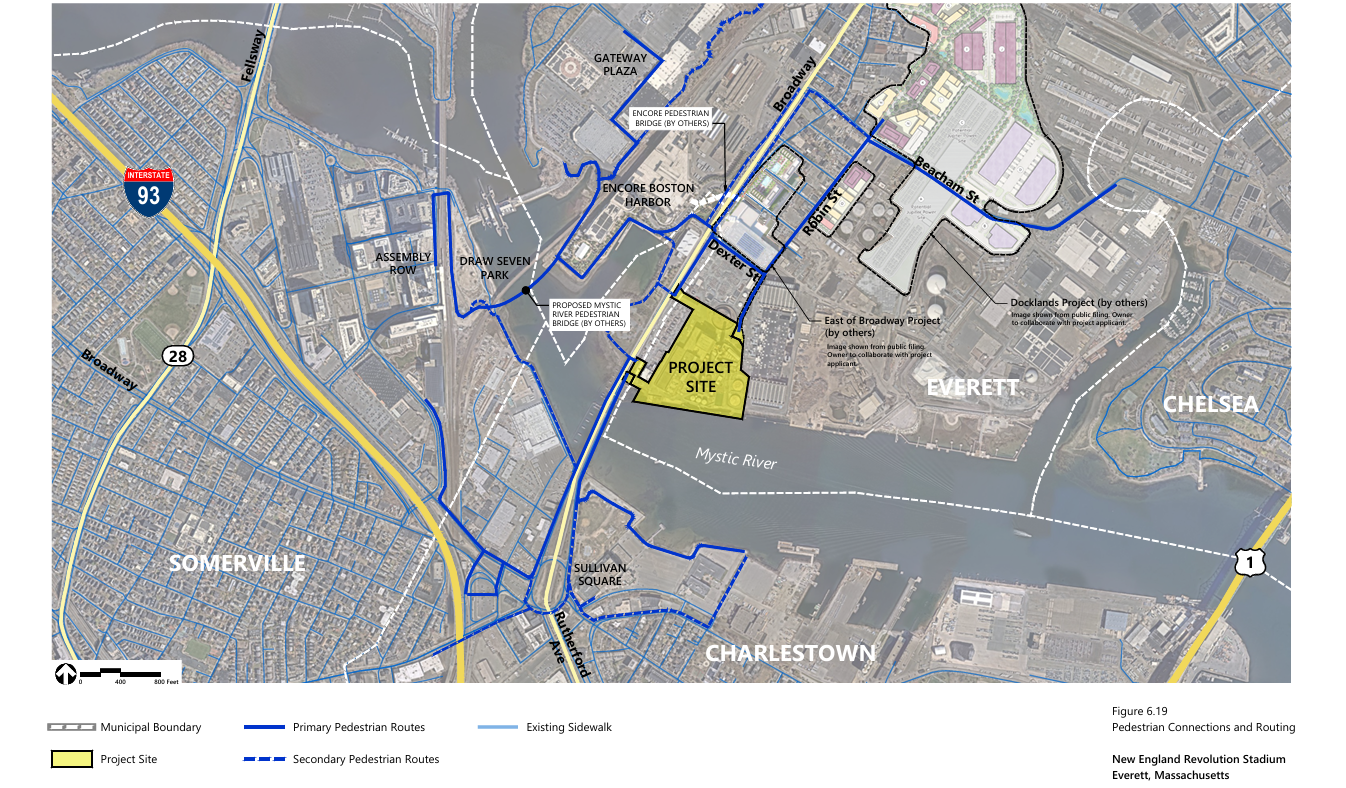
There are also improvements being made to public transportation which could aid getting to the stadium. This includes the Rutherford Avenue/ Sullivan Square Design Project, which aims to improve Rutherford Avenue and Sullivan Square into "a safe, multimodal corridor."
It is expected to be completed in 2035 and will feature a dedicated bus lane. Construction is expected to start in 2031. A separate project is also expected to build a 475-foot pedestrian footbridge.
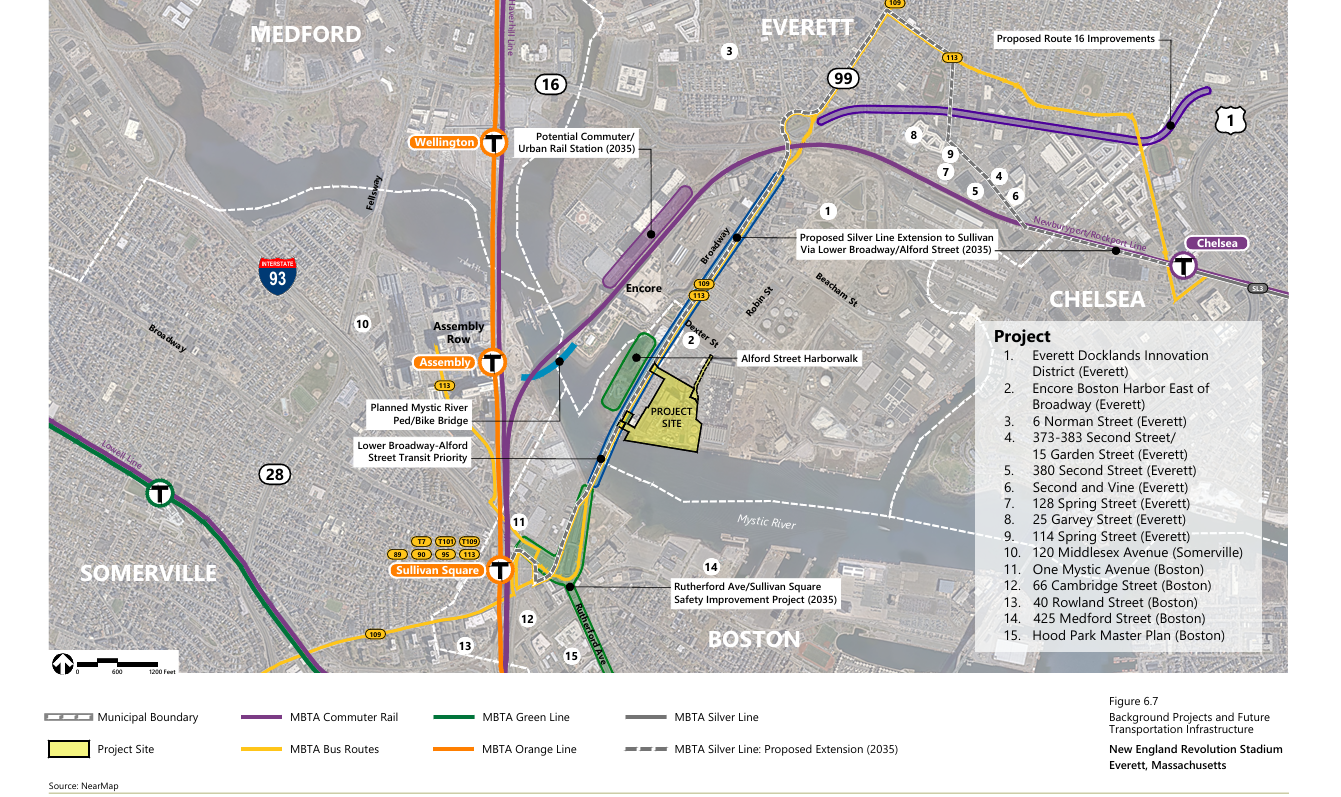
The MBTA is also looking to beef up and redesign its bus network. This includes providing service to areas surrounding the proposed stadium.
The MBTA is also still contemplating extending the Silver Line and improving the Orange Line. A commuter rail station is also currently under a Memorandum of Agreement to be built near the Encore casino. There is also the potential for water transportation to get fans to the stadium.
The report estimates that 46 percent of fans attending the game would drive while 29 percent would take mass transit and 15 percent would utilize rideshares. It is predicted that the remaining 10 percent would walk, bike, or utilize other means of transportation.
Additionally, the roads in and around the stadium have some safety concerns. Nine areas have concerns after Road Safety Audits were conducted. These include three areas in Everett, one in Medford, one in Boston, and four in Chelsea. Note it has been some time since audits have been done on some areas.
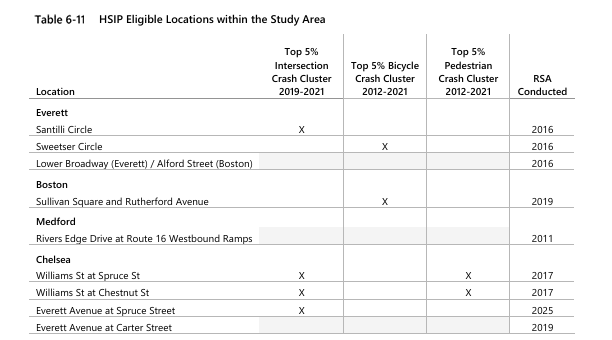
Areas in Everett were deemed to need clearer pedestrian accessibility, lane visibility, and improved bike accommodations. Boston was also recommended to increase bike and pedestrian visibility and accessibility.